Landscape vs Hardscape Strategy: Which Service Best Transforms Your Outdoor Space?
When planning to enhance an outdoor space, individuals often face the choice between landscaping and hardscape approaches. Each extends distinct advantages, with landscaping focusing on organic components and hardscape prioritizing durable constructions. Comprehending their unique characteristics and advantages is essential. As homeowners assess their options, vital factors emerge that could influence their choice. What factors should be emphasized to create a balanced and functional outdoor environment?

What Does Landscape Design Entail? Advantages and Characteristics?
Landscape design reflects the scientific and artistic principles of creating outdoor spaces to refine their beauty and efficiency. This discipline incorporates elements such as plants, trees, flowers, and terrain to create harmonious environments that fulfill human needs and ecological balance. A well-executed landscape design not only beautifies a property but also promotes biodiversity, supports water management, and enhances air quality.
Key features of landscape design include spatial organization, where different areas serve specific purposes, and the use of color, form, and texture to create visual interest. Additionally, it emphasizes sustainability by utilizing native plants and reducing resource usage.
The benefits reach beyond appearance; effective landscape design can boost property value, encourage outdoor activities, and foster a sense of community. Overall, it converts outdoor areas into functional, inviting spaces that enhance the quality of life for residents and visitors alike.
What Is Hardscape Planning? Key Characteristics?
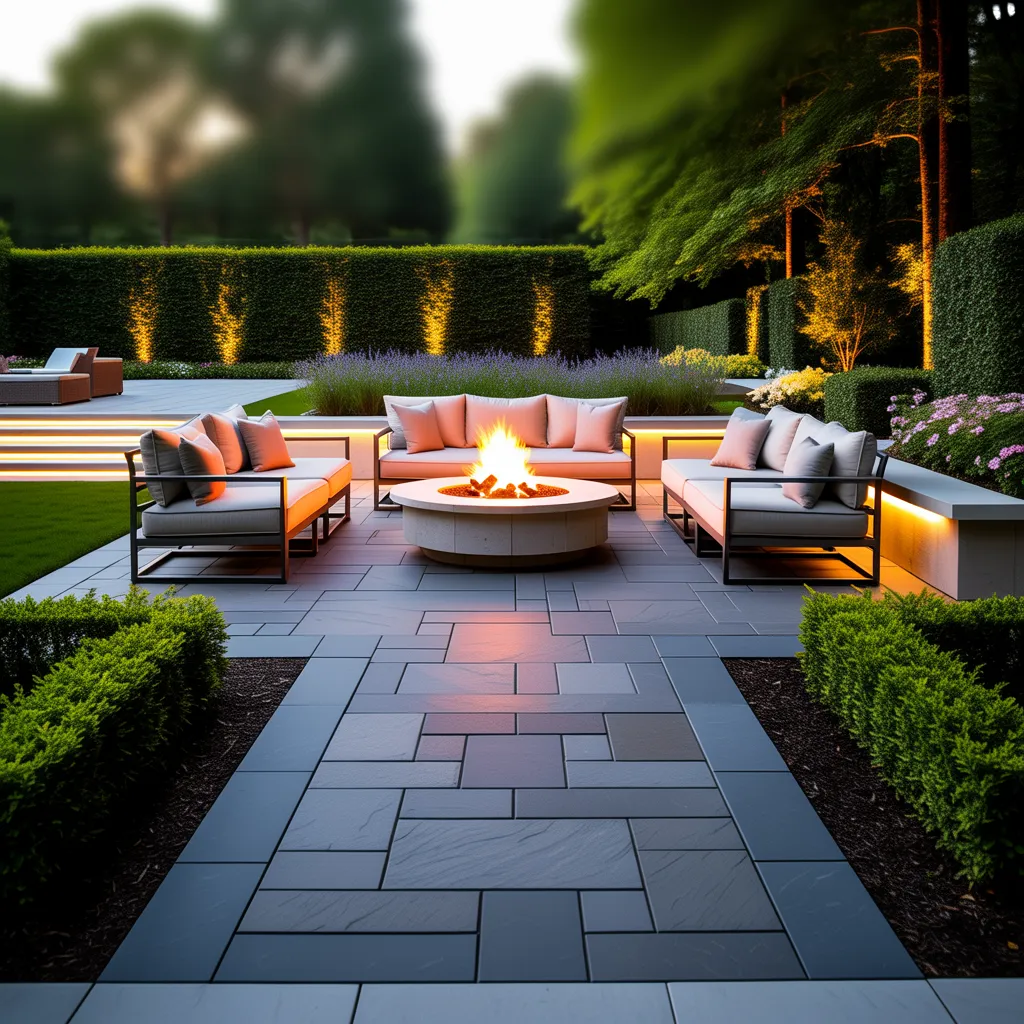
Hardscape design encompasses the non-plant elements of outdoor spaces, such as patios, walkways, and retaining walls. Widely used materials in hardscaping comprise stone, concrete, and brick, which provide durability and aesthetic appeal. The perks of hardscaping feature enhanced functionality, reduced soil erosion, and the creation of visually striking landscapes.
Defining Hardscape Components
Throughout outdoor design, hardscape elements are vital to in developing functional spaces. These elements include any non-plant materials that enhance the structure and usability of an area. Common hardscape features include patios, walkways, retaining walls, and driveways, each serving specific purposes while enhancing the aesthetic appeal of the landscape. Hardscape design prioritizes durability and stability, often utilizing geometric shapes and lines that complement organic forms. Additionally, hardscape elements facilitate proper water management and soil erosion control, rendering them essential for effective landscape maintenance. Integrating these elements thoughtfully can create defined areas for leisure, social gatherings, or movement, ultimately improving the practical utility and aesthetic balance of outdoor environments.
Common Materials in Regular Utilization
Creating functional outdoor spaces depends significantly on the selection of appropriate materials. Hardscape planning typically employs a variety of durable materials to construct features that enhance usability and aesthetics. Commonly utilized materials comprise concrete, which provides strength and versatility; natural stone, valued for its beauty and longevity; and brick, recognized for its classic appeal. Pavers are also favored, offering numerous design options for patios and walkways. Additionally, wood elements, like decking and pergolas, add warmth and texture while maintaining structural integrity. Metal features, such as railings and sculptures, can add modern flair. The careful choice of materials is essential in creating cohesive and enduring hardscape elements that complement the overall landscape design.
Advantages of Hardscape installation
Though numerous homeowners focus on softscape elements including plants and trees, the advantages of hardscaping cannot be overlooked. Hard landscaping incorporates non-plant materials, such as concrete, stone, and timber, to develop practical and visually appealing exterior environments. One important feature is durability; hardscape installations withstand environmental conditions more effectively than softscapes. Additionally, hard landscaping enhances property value through providing built features like decks, pathways, and retention structures that are attractive and functional. It decreases maintenance requirements, since hardscaped surfaces generally require less care compared to gardens. Additionally, hard landscaping can enhance water flow and reduce ground degradation, contributing to a more robust outdoor setting in general. Through thoughtful consult article hardscape design, homeowners can achieve a balanced and inviting exterior space.
Vital Aspects to Consider When Opting for Landscape or Hardscape
What aspects should one review when comparing landscape and hardscape design? First, the intended use of the outdoor space proves fundamental. If the goal is to design a recreational area for family gatherings, landscaping may be more fitting. Conversely, for functional pathways or patios, hardscaping delivers durability and structure.
Next, climatic factors and ground conditions must be analyzed. Certain plants thrive in defined environments, while hardscape materials may withstand local elements better. Budget constraints also influence decisions; landscaping can cause ongoing maintenance costs, whereas hardscapes typically call for a higher initial investment but lower upkeep.
Visual taste is a key element. Individuals need to consider the way each selection complements their home's architecture. Finally, sustainability concerns and ecological considerations should be assessed. Using native plantings or absorbent hardscapes may enhance eco-friendliness. Balancing these factors will help guide homeowners toward the best decision for their outdoor space.
Landscape and Hardscape Integration: Best Practices
Blending outdoor features and built materials requires careful consideration to create a cohesive design. By harmonizing natural elements with complementary materials, designers can enhance the overall aesthetic. Additionally, prioritizing practical zones confirms that the area provides both beauty and practicality.
Harmonizing Organic Elements
Blending natural elements in exterior and built environment design forms a fluid relationship between constructed structures and the surrounding environment. This union boosts the visual appeal and functionality of outdoor areas. Effective blending requires careful placement of hardscape features, such as patios and walkways, to complement the natural terrain and vegetation. Using curves instead of straight lines can mimic the natural contours, promoting a more welcoming atmosphere. Moreover, adding natural materials, like stone or wood, can bridge the gap the hard and soft elements. Strategically placed greenery, such as trees or shrubs, can soften harsh edges, creating balance. In the end, this considered combination inspires a unified and inviting outdoor experience, enhancing both the aesthetic and practical aspects of the space.
Deciding on Harmonious Resources
Choosing the optimal materials for landscape and hardscape elements is necessary to achieve a harmonious outdoor design. A successful combination of natural and man-made materials increases visual appeal and functionality. For example, pairing natural stone pathways with soft native plantings results in a smooth shift between hardscaped and landscaped sections. Furthermore, choosing colors and textures that blend with each other helps unify the overall style. Warm-toned bricks can work nicely with organic greens and browns in the surrounding plant life, while cool-toned concrete can be balanced with colorful flower beds. It is important to factor in durability and maintenance; opting for weather-resistant materials guarantees longevity. Ultimately, the thoughtful blend of landscape and hardscape materials contributes to an welcoming and well-crafted outdoor environment.
Establishing Functional Spaces
Designing practical areas in outdoor design requires a thoughtful mix of structural and natural elements that meet both aesthetics and usability. Effective integration begins with defining the objective of each area. For example, decks and pathways made from durable materials work well with lush gardens while delivering crucial walkways for movement. Incorporating seating areas nestled within greenery encourages relaxation and social interaction. Additionally, employing elevated gardens can uplift the visual appeal while optimizing growing space. Illumination systems is vital, as it highlights both built elements and garden elements, providing safety and ambiance during twilight hours. By carefully blending these elements, designers can create cohesive environments that enhance outdoor living, promote convenience, and boost the overall experience of the space.
Budget Examination: Grounds compared to Hardscape Design
Both landscape and hardscape planning serve essential roles in outdoor aesthetics, though their costs can vary considerably based on labor, materials, and design scope. Landscape planning, which typically involves plants, soil, and organic elements, can range from a few hundred to several thousand dollars, depending on the flora type and project scope. Seasonal factors and plant maturity also impact pricing.
In contrast, hard landscaping, encompassing structures like patios, walkways, and walls, usually incurs greater upfront costs due to the materials and effort involved. Stone, concrete, and wood are common materials, each with unique price points. Placement is labor-intensive, often requiring professional knowledge, which further elevates costs.
In the final analysis, while landscape design may supply more direct visual impact, hardscape additions generally deliver durability and sustained functionality, mandating careful fiscal assessment when executing an exterior undertaking.
Picking the Right Expert for Your Outside Job
How does one recognize the right professional for an outdoor project? The procedure begins with establishing specific undertaking objectives, whether focusing on landscape design, hardscape elements, or a combination of both. Investigating nearby professionals through web-based testimonials and referrals provides insight into their expertise and previous work. Prospective buyers should assess collections to ensure correspondence with their perspective.
Conducting conversations with applicants is essential; inquiring about their design philosophy, experience, and project timelines helps assess compatibility. Additionally, confirming credentials, insurance, and recommendations can additionally assure reliability and professionalism. Obtaining multiple quotes allows for a comparative analysis of offerings and pricing.
In the end, the importance of dialogue cannot be overstated. A professional who hears client needs and provides collaborative input can improve the project outcome. Ultimately, identifying the right specialist involves a blend of investigation, assessment, and transparent communication, securing a successful outcome for any outdoor project.
Questions People Inquire Most
What Part Do Climate and Climate conditions Play in Outdoor area and Paved surface Decisions?
Climatic and weather factors have a major influence on hardscape and landscape choices. For instance, regions with heavy rainfall may require drainage solutions, while hot climates benefit from drought-adapted vegetation and materials that tolerate extreme temperatures and moisture variations.
Will Lawn and Hardscape Design Raise Property Value?
Yes, both landscape and hardscape planning can greatly increase property value. Visual attractiveness, functional outdoor spaces, and enhanced street presence contribute to higher market demand, making properties more attractive to potential buyers and investors.
What Maintenance Do Landscape and Hardscape Require Over Time?
Both landscape and hardscape require regular upkeep. Planted areas need consistent watering, cutting back, and feeding, while paved surfaces necessitate cleaning, sealing, and repairs to limit damage. Maintaining each guarantees lasting quality and visual charm in outdoor spaces.
Are there environmentally conscious choices for hardscape and landscape design?
Eco-friendly alternatives exist for both garden and hardscape planning. Native plants, permeable paving, and recycled materials advance environmental responsibility, while water-efficient irrigation systems enhance conservation efforts, producing environmentally responsible outdoor spaces that serve both nature and visual appeal.
What Ways Can I Blend Personal Aesthetic Into My Outdoor Design?
Embedding personal style into exterior planning encompasses deciding on tones, substances, and components that reflect individual tastes. Unique furnishings, distinctive plant choices, and creative embellishments can shape a unified landscape that reveals individual expression and taste.